Q.どんな時にSciBabyの抱き歩きを行うとよいですか?
A. 赤ちゃんがぐずっていたり、泣いていたりする時に行うのがおすすめです。泣いている時の方が、泣いていない時に比べよく寝つくという実験結果があります。
Q.抱き歩いても泣き止みません。何かコツはありますか?
A. いくつかコツがあります。
●ゆっくりゆらゆら歩くよりも、通勤で歩くようなテンポ(1秒に1.5-2歩)程度で歩く方がよいようです。SciBabyで用意されている音楽はこのテンポになっているので、音楽に乗って歩いてみてください。しかし早歩きは危険ですので、一歩ごとの幅を小さく、確実に足を地面につけ、小股でぺたぺた歩くことをお勧めしています。決して走ったりジャンプしたりしないでください。
●歩くときは急激な動きの変化を避け、一定のペースを保って歩くことが効果的です。そのためには、往復運動で何度も向きを変えるよりも、テーブルの周りを回るなどして円運動で歩き、向きやペースが急に変わらないようにする方がよいです。
●途中で赤ちゃんが泣いたり、泣き止んだりすると、つい顔を見たくなります。しかしその動きの変化を赤ちゃんに気づかれてしまいます。できれば、5分間は赤ちゃんの状態によらず、淡々と歩いてみてください。
●このようにして5分-10分歩いてから8分座る間、激しい泣きがやまない場合は、発熱などいつもとかわったところがないか確認することをお勧めします。
●これまで50人以上の赤ちゃんで試した結果、80%以上の赤ちゃんが5~10分歩いた時点で泣き止んでいるという結果が出ていますが、全員ではありません。抱き歩きが嫌いな赤ちゃんもいますので、個人差としてご了承ください。
●ゆっくりゆらゆら歩くよりも、通勤で歩くようなテンポ(1秒に1.5-2歩)程度で歩く方がよいようです。SciBabyで用意されている音楽はこのテンポになっているので、音楽に乗って歩いてみてください。しかし早歩きは危険ですので、一歩ごとの幅を小さく、確実に足を地面につけ、小股でぺたぺた歩くことをお勧めしています。決して走ったりジャンプしたりしないでください。
●歩くときは急激な動きの変化を避け、一定のペースを保って歩くことが効果的です。そのためには、往復運動で何度も向きを変えるよりも、テーブルの周りを回るなどして円運動で歩き、向きやペースが急に変わらないようにする方がよいです。
●途中で赤ちゃんが泣いたり、泣き止んだりすると、つい顔を見たくなります。しかしその動きの変化を赤ちゃんに気づかれてしまいます。できれば、5分間は赤ちゃんの状態によらず、淡々と歩いてみてください。
●このようにして5分-10分歩いてから8分座る間、激しい泣きがやまない場合は、発熱などいつもとかわったところがないか確認することをお勧めします。
●これまで50人以上の赤ちゃんで試した結果、80%以上の赤ちゃんが5~10分歩いた時点で泣き止んでいるという結果が出ていますが、全員ではありません。抱き歩きが嫌いな赤ちゃんもいますので、個人差としてご了承ください。
Q.5-10分抱き歩くと泣き止みますが、寝つきません。
A. 抱き歩きの間ではなく、8分間抱いて座っている間のほうが寝やすい赤ちゃんも一定数います。5~10分抱き歩いた後は、赤ちゃんの状態によらず、一度静かに座ってみてください。この時、もし赤ちゃんが落ち着いていなければ、いつもしているあやし(歌、とんとん等)をしても差支えありませんが、赤ちゃんが静かなら刺激しない方が寝やすいようです。
ママが抱いて座ると赤ちゃんが授乳を求めてしまって寝られない場合、パパや授乳していない方が試してみるとよい場合もあります。
ママが抱いて座ると赤ちゃんが授乳を求めてしまって寝られない場合、パパや授乳していない方が試してみるとよい場合もあります。
Q.抱き座りで寝ているのに、お布団に寝かせると起きてしまいます。
A. それは一番難しいところですね。これまでの研究では、お布団に置くと、寝ている子の約20%が起きてしまいます。またゆっくり置くと効果的というデータは得られていません。
そこで現在、どういう状態で寝かせれば、起こすことなくお布団に寝かせられるのかを明らかにしたいと考え、AIを用いた方法を模索しています。
ほかにも、寝かしつけを実施して来られた保護者の方から、「うちの子の場合こうしたらよかった」というご意見が複数寄せられています。たとえば、赤ちゃんを仰向けに寝かせ、おむつ部分に手をあてて頭の方に向かってリズミカルに押す(ゆする)、という方法がよいという方が複数いらっしゃいます。この動きは、赤ちゃんを抱いて歩いている振動を模しているのかもしれません。
寝かせる際に横向きにして自分の体を赤ちゃんから離さないで寝かせる、あるいは体の前面にあらかじめ小さい枕を入れておいてそれごと寝かせ、眠ったのを確認してから枕を外す、なども伺うことがあります。
しかしこれらは特定の音楽などと同様、科学的に検証されていないため、どの程度効果があるのかがはっきりしません。
このような「コツ」のうちどれが我が家にはあっているのかを簡単に試せるようなアプリ機能の開発も行っています。
そこで現在、どういう状態で寝かせれば、起こすことなくお布団に寝かせられるのかを明らかにしたいと考え、AIを用いた方法を模索しています。
ほかにも、寝かしつけを実施して来られた保護者の方から、「うちの子の場合こうしたらよかった」というご意見が複数寄せられています。たとえば、赤ちゃんを仰向けに寝かせ、おむつ部分に手をあてて頭の方に向かってリズミカルに押す(ゆする)、という方法がよいという方が複数いらっしゃいます。この動きは、赤ちゃんを抱いて歩いている振動を模しているのかもしれません。
寝かせる際に横向きにして自分の体を赤ちゃんから離さないで寝かせる、あるいは体の前面にあらかじめ小さい枕を入れておいてそれごと寝かせ、眠ったのを確認してから枕を外す、なども伺うことがあります。
しかしこれらは特定の音楽などと同様、科学的に検証されていないため、どの程度効果があるのかがはっきりしません。
このような「コツ」のうちどれが我が家にはあっているのかを簡単に試せるようなアプリ機能の開発も行っています。
Q.PPG(赤い波)が乱れて、なかなか落ち着きません。
A. 脈波PPG(赤い波)がよく見えるセンサーの位置は、赤ちゃんごとに個人差があります。内くるぶしの後ろ、膝裏側の太もも下部やふくらはぎ上部を推奨していますが、赤ちゃんが泣いていないうちに、その赤ちゃんにとって良い位置をあらかじめ探しておくとよいでしょう。
また、抱き歩きを始めたい時になかなか安定しない場合、一度抱っこして少し落ち着かせてから、センサーをズレないように調整し、抱き歩きを始めてください。
センサーがずれなければ、激しく動いている時に波が落ち着いていなくても、その後泣き止んだ際には波が見えることがほとんどです。
Q.エラー表示が出ます。
A. 「心拍数が低いです」これは心拍数が80(回/分)以下の場合に出るエラーです。センサーのチェックのために大人がセンサーをつけると出る他、赤ちゃんの体質によっては出ることがあるかもしれません。エラーが出ていても記録はできていますので、赤ちゃんの様子に問題がなければ大丈夫です。
「装着位置を確認してください」や「デバイスを装着してください」の場合、これらはセンサーがずれたり外れたりした可能性がある場合に出るエラーで、この状態が続くとグラフ表示が自動的にPPG(赤い波)に切り替わります。このエラーが出た場合、赤い波を確認し、見えなければセンサー位置を調節してみてください。赤い波が定期的に見えていれば、心拍HR(黄色い線)表示に戻していただいて差支えありません。エラーが出ても記録はできています。
「赤ちゃんが動いて落ち着かない場合は、抱っこして落ち着かせると調整しやすいです。」の表示は、赤ちゃんが動いている場合に表示されます。こちらは問題がない場合がほとんどですが、赤ちゃんが落ち着いていても表示される場合はセンサーのベルトが緩いかもしれません。ベルトはきつすぎると血流を阻害しかえって測定できなくなるため、ぴったりするように調節してください。
「装着位置を確認してください」や「デバイスを装着してください」の場合、これらはセンサーがずれたり外れたりした可能性がある場合に出るエラーで、この状態が続くとグラフ表示が自動的にPPG(赤い波)に切り替わります。このエラーが出た場合、赤い波を確認し、見えなければセンサー位置を調節してみてください。赤い波が定期的に見えていれば、心拍HR(黄色い線)表示に戻していただいて差支えありません。エラーが出ても記録はできています。
「赤ちゃんが動いて落ち着かない場合は、抱っこして落ち着かせると調整しやすいです。」の表示は、赤ちゃんが動いている場合に表示されます。こちらは問題がない場合がほとんどですが、赤ちゃんが落ち着いていても表示される場合はセンサーのベルトが緩いかもしれません。ベルトはきつすぎると血流を阻害しかえって測定できなくなるため、ぴったりするように調節してください。
Q.毎日行ってもよいのですか?
A. 抱き歩きによる寝かしつけをひんぱんにしていると、今度は抱き歩かないと眠れなくなってしまうのではないかと心配になる方もあるでしょう。この問題について黒田が睡眠トレーニングを専門とする米国の小児科医に伺ったところ、1週間に2回程度であれば問題ないであろうという回答でした。
しかし、抱き歩かなくても赤ちゃんが自然に眠れるように生活リズムや環境を整えることは、まず行うべき大事なことです。抱き歩きによる寝かしつけは毎日行うより、特別な事情で赤ちゃんが寝つけなくてぐずっている時に行うのがよいと考えています。
一方、買い物や通園のために毎日数回、20-30分程度の抱き歩きをしている人も多くいますが、とくに問題は認められていません。したがって5分程度の抱き歩き自体は、毎日行ったとしても赤ちゃんに悪い影響があるとは考えにくいものです。
しかし、抱き歩かなくても赤ちゃんが自然に眠れるように生活リズムや環境を整えることは、まず行うべき大事なことです。抱き歩きによる寝かしつけは毎日行うより、特別な事情で赤ちゃんが寝つけなくてぐずっている時に行うのがよいと考えています。
一方、買い物や通園のために毎日数回、20-30分程度の抱き歩きをしている人も多くいますが、とくに問題は認められていません。したがって5分程度の抱き歩き自体は、毎日行ったとしても赤ちゃんに悪い影響があるとは考えにくいものです。
Q.事情により、抱き歩きや抱き座りを中断したいのですが。
A. 右上のキャンセルボタンを長押しすることで中断できます。抱き歩きをはじめてから中断すると、そこまでのデータを送信します(センサーありの場合)。
キャンセルボタンを押さないで中断すると、そのデータは保存されず、あとでグラフや記録を見ることもできませんのでご注意ください。。
キャンセルボタンを押さないで中断すると、そのデータは保存されず、あとでグラフや記録を見ることもできませんのでご注意ください。。
Q. When is it best to use the SciBaby?
"Q. My baby won't stop crying even when I carry them around. Is there any trick to it?"
A. There are a few tips.
● Walking at a commuting pace (about 1.5-2 steps per second) seems better than walking slowly and swaying. The music provided by SciBaby is set to this tempo, so try walking to the music. However, brisk walking is dangerous, so we recommend taking small steps, placing your feet firmly on the ground with each step, and walking with short, flat steps. Never run or jump.
● When walking, avoid sudden changes in movement and maintain a steady pace for best results. To achieve this, walking in a circular motion around a table is preferable to repeatedly changing direction during back-and-forth movement, as it prevents abrupt changes in direction or pace.
● If your baby cries or stops crying during the walk, you may instinctively want to look at their face. However, this movement change will alert the baby. If possible, try to walk steadily for 5 minutes regardless of your baby's state.
● If the baby continues crying intensely after walking for 5-10 minutes and sitting for 8 minutes, we recommend checking for any unusual signs like fever.
● While over 80% of babies stop crying after walking for 5-10 minutes, this isn't true for all. Some babies dislike being carried while walking; please understand this as individual variation.
Q. Walking for 5-10 min calms them, but they won't sleep.
A. Some babies actually fall asleep more easily when held and seated for 8 minutes rather than while being walked around. After walking for up to 10 minutes, try sitting quietly for a moment regardless of the baby's state. At this point, if the baby is unsettled, it's fine to use your usual soothing methods (singing, patting, etc.). However, if the baby is calm, avoiding stimulation seems to make it easier for them to fall asleep.
If the baby demands feeding when Mom sits holding them and can't fall asleep, it might be helpful for Dad or the non-feeding parent to try instead.
Q. Sleeps while held sitting, but wakes up once put down.
A. That's the most challenging part. Previous studies show that placing a sleeping child on the futon wakes up about 20% of them. Furthermore, there's no definitive data proving that placing them slowly is necessarily effective.
Therefore, we are currently exploring AI-based methods to determine the optimal position for placing a child on the futon without waking them.
We've also received multiple suggestions from parents experienced in putting their babies to sleep, such as “This worked well for my child.” For example, several parents found success by laying the baby on their back, placing their hand on the diaper area, and rhythmically pressing (or rocking) toward the head. This motion might mimic the vibration felt when carrying a baby while walking.
We also hear about methods like laying the baby on their side while keeping your body close to them, or placing a small pillow in front of your body beforehand, laying the baby down with it, and removing the pillow only after confirming they've fallen asleep.
However, like specific music, these methods haven't been scientifically verified, so their effectiveness remains unclear.
We are also developing an app feature that allows parents to easily test which of these “tips” might work best for their family.
Q. My PPG (red wave) is unstable and won't settle down.
A. The optimal sensor placement for clear pulse wave PPG (red wave) varies from baby to baby. While the lower thigh behind the knee or upper calf are recommended, it's best to find the ideal spot for your specific baby beforehand, when they are not crying.
Also, if the sensor is unstable when you start carrying the baby while walking, first hold the baby to calm them down a bit. Then adjust the sensor to prevent slippage before beginning to walk while holding them.
If the sensor stays in place, even if the wave appears unstable during vigorous movement, it will usually become visible again once the baby stops crying.
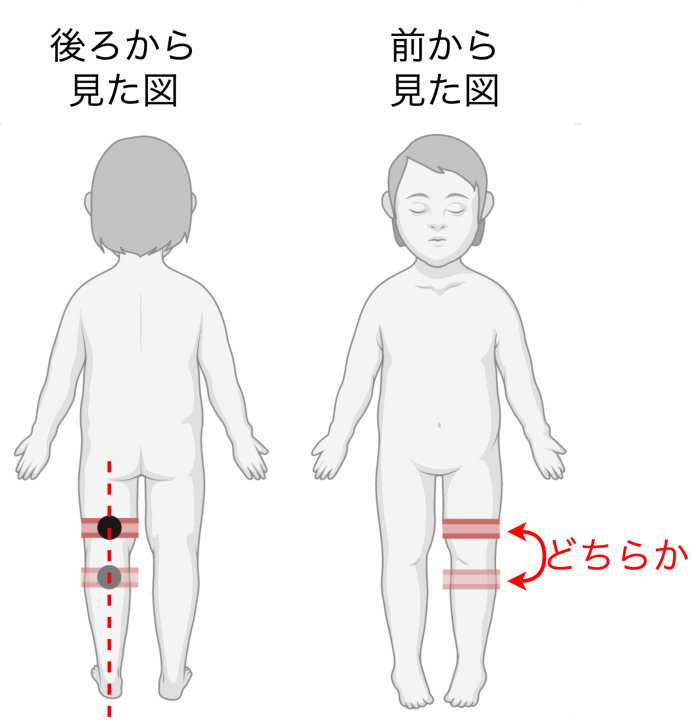 膝裏側の太もも下部かふくらはぎ上部
Q. Error messages
A. “Heart rate is low” is an error that appears when the heart rate is 80 beats per minute or lower. It may appear when an adult attaches the sensor to check it, or it may occur depending on the baby's constitution. Even if the error appears, recording is still possible, so it's okay as long as the baby seems fine.
“Check sensor placement” or “Please attach the device” errors indicate the sensor may have shifted or come loose. If this condition persists, the graph display will automatically switch to PPG (red waveform). If you see this error, check for the red waveform. If it's not visible, adjust the sensor position. If the red waveform appears periodically, you can safely switch back to the heart rate (HR) display (yellow line). Data is still being recorded even with these errors.
The message “If your baby is moving and restless, holding them to calm them down makes adjustment easier” appears when the baby is moving vigorously. This is usually not a problem. However, if it appears even when the baby is calm, the sensor belt may be loose.
Q. Is it okay to do it every day?
A. Some parents worry that if they frequently rock their baby to sleep while walking, the baby might become dependent on being rocked to fall asleep. When Kuroda asked a U.S. pediatrician specializing in sleep training about this issue, the response was that doing it about twice a week should be fine.
Establishing a daily rhythm and environment that helps babies fall asleep naturally is important. We believe rocking to sleep should be reserved for times when a baby is fussy and unable to settle due to some specific reason.
On the other hand, many people engage in rocking for 20-30 minutes several times daily for activities like shopping or going to daycare, and no particular problems have been identified. Therefore, rocking for about 5 minutes itself is unlikely to have a negative impact on the baby, even if done daily.
Q. Due to circumstances, I need to stop carrying my child while walking or sitting.
A. You can pause by long-pressing the cancel button in the upper right corner. If you pause after starting the babywearing session, the data collected up to that point will be sent (if sensors are enabled).
Please note that if you pause without pressing the cancel button, that data will not be saved, and you will not be able to view graphs or records later.